National Register of Historic Places

Clio Consulting’s record of National Register nominations includes individual buildings, commercial and residential historic districts, and historic designed landscapes. Established by the National Historic Preservation Act of 1966 and maintained by the Secretary of the Interior, the National Register of Historic Places is the nation’s official list of historic places worthy of preservation. Listing in the National Register is an honor and, frequently, a threshold requirement for access to preservation incentive programs, such as grants and the federal Historic Rehabilitation Tax Credit. The first step is usually to request a determination of eligibility from the State Historic Preservation Office by submitting initial documentation of a resource’s history and integrity. The National Register is never complete. There are always new stories to tell.


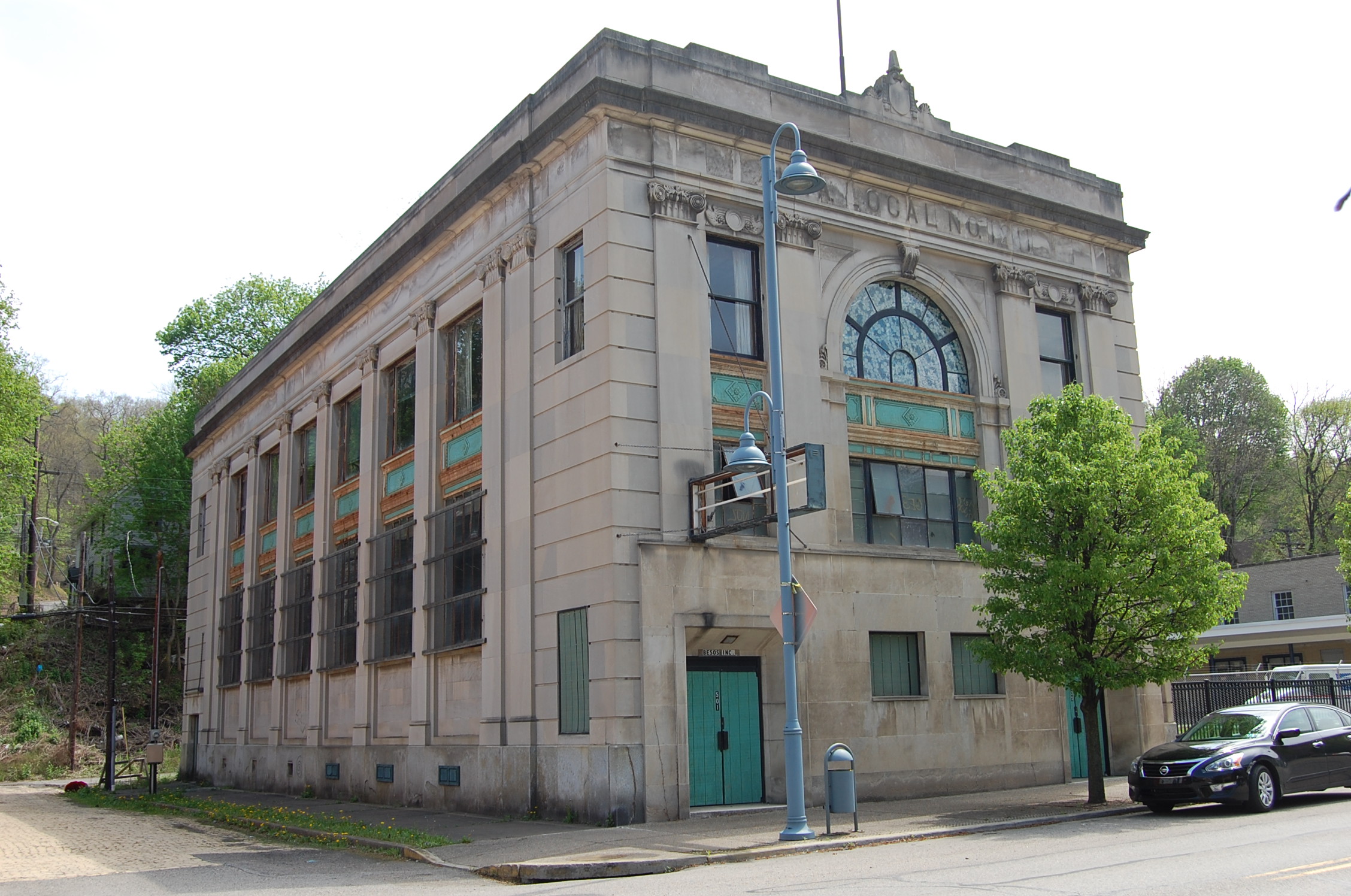
United Steelworkers Union 1211

Clio Consulting obtained National Register listing for one of downtown Aliquippa’s most deeply significant buildings, a Classical Revival former bank which closed during the Depression, only to be revived as headquarters of the United Steelworkers Local #1211 Union Hall. The United Steelworkers Local #1211 is the successor to the Steel Workers Organizing Committee, which pursued its members’ right to unionize to the Supreme Court in 1937. In 1943, USA Local #1211’s purchase of this most distinguished building in downtown Aliquippa signified the union’s new legitimacy, growing might, and role in the transformation of life, work, and democracy in the town.
Allegheny Commons Park

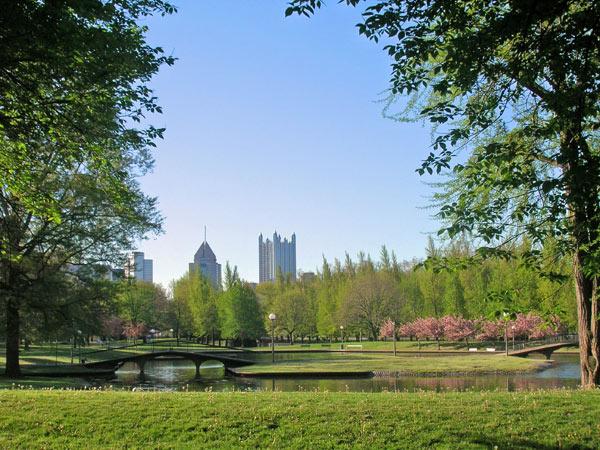
In 2013, Clio Consulting prepared the nomination to list Allegheny Commons Park in the National Register of Historic Places, the first listing of a city park in 30 years. It required a thorough study and documentation of Allegheny Commons’ rich, layered landscape and how it has evolved over 150 years to meet the changing needs of the city. In 2018, Clio Consulting returned to Allegheny Commons to help shape the Action Plan for implementation of the 2002 Allegheny Commons Park Master Plan, working with LaQuatra Bonci, the Pittsburgh Parks Conservancy, and other consultants and stakeholders to update the plan and draw priorities for implementation. She articulated the role of history in the park’s past and future development and helped facilitate the public process.

Frick Park

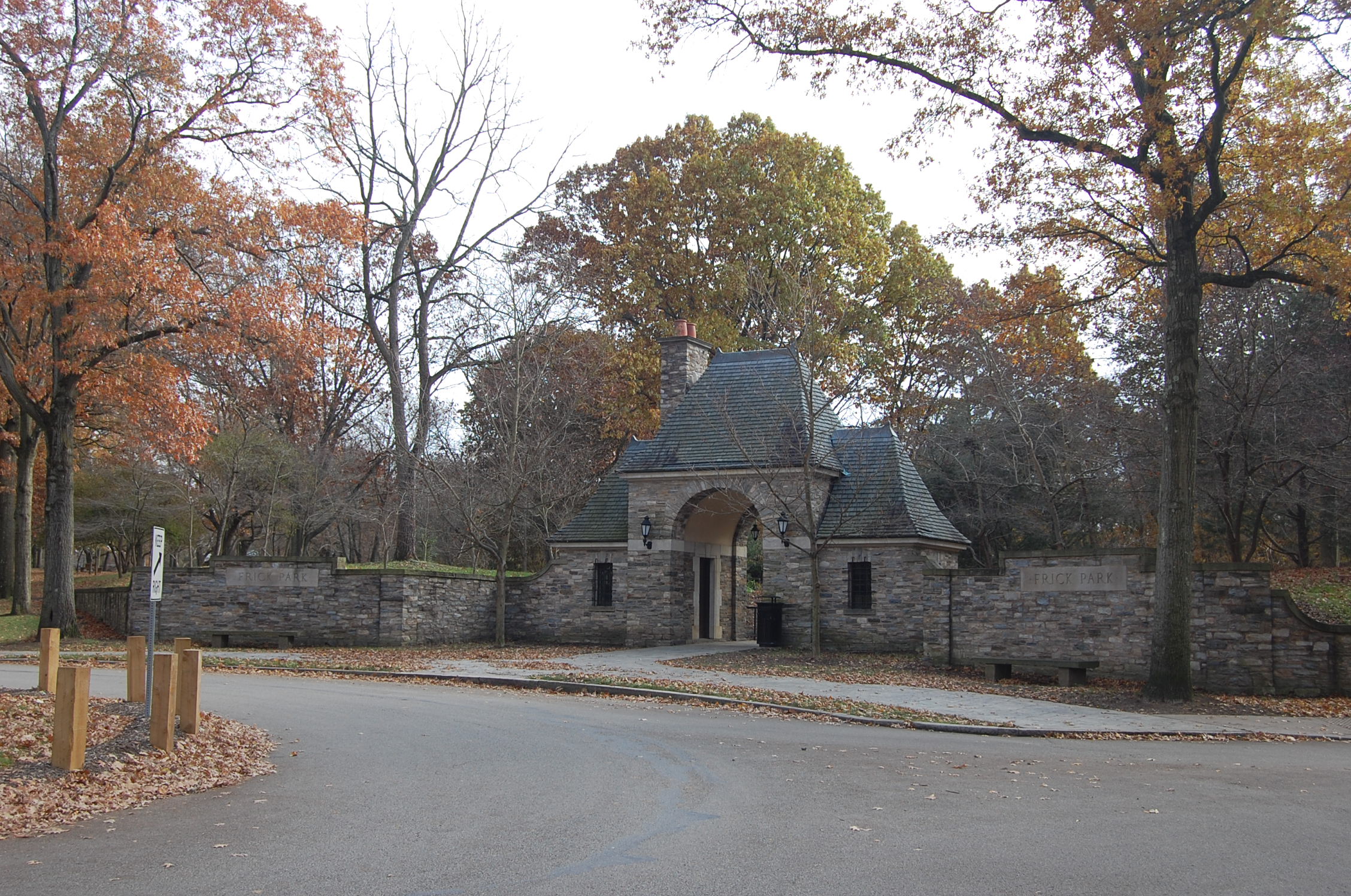
Clio Consulting’s nomination to list Frick Park in the National Register of Historic Places went beyond our basic understanding of it as a philanthropic bequest to the City of Pittsburgh to detail how it grew and developed according to a unique vision of an oasis for immersion in, and study of, nature in the city. The last of the major parks to join the Pittsburgh system by 30 years, Frick Park was planned, designed, and developed according to different goals and influences than Pittsburgh’s earlier Victorian and Progressive-era parks. By 1942, additional land purchases by the City had increased the park’s original area threefold, and its stewards were challenged to unify many disparate tracts into a coherent public landscape.